
Bologna is a city that you don’t just visit: you “taste” it and experience it at a slow pace under its endless porticoes. This city is also known as “the learned, the fat, and the red,” and in this article, we will discover why.
How to get to Bologna from Florence:
| Transport | Travel time | Hints and suggestions |
|---|---|---|
| High speed train (Frecciarossa/Italo) | 35-37 minutes | The fastest option. It connects the two city centers (SMN and BO Centrale) in a flash. Ideal for a day trip. |
| Regional train | 1h 30m – 1h 45m | Affordable and scenic. Travel across the Apennines on the historic railway line. |
| Highway (A1 Direct) | 1h 15m (about 105 km) | Convenient for those traveling beyond Bologna. Please note: the city center is a restricted traffic zone (ZTL); we recommend parking at Tanari or in the surrounding areas. |
| Bus (Flixbus/Itabus) | 1h 15m – 1h 30m | Departures are often from Villa Costanza (T1 tram terminus). Very affordable if booked in advance. |
🎓 Why is it called “the learned one”?
Bologna holds a world record: here, in 1088, the oldest University in the Western world was born (Alma Mater Studiorum).
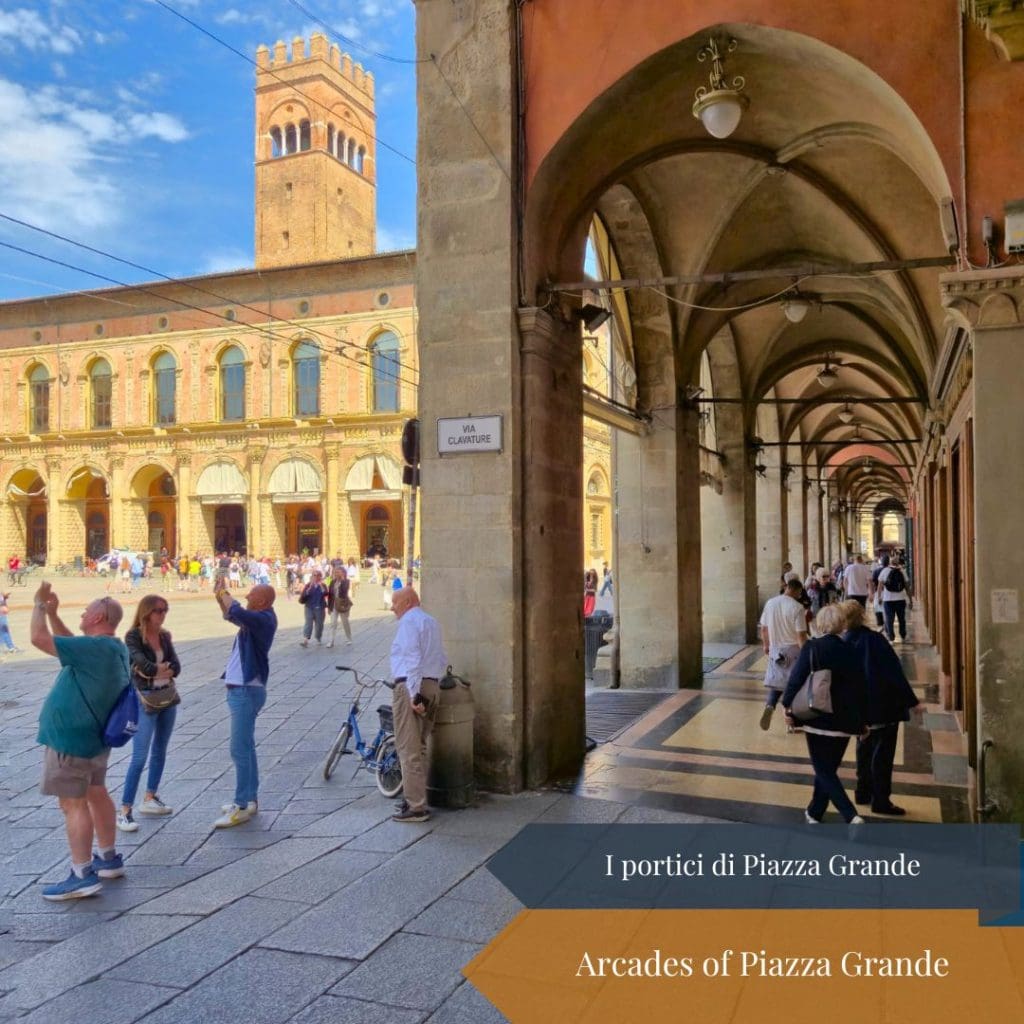
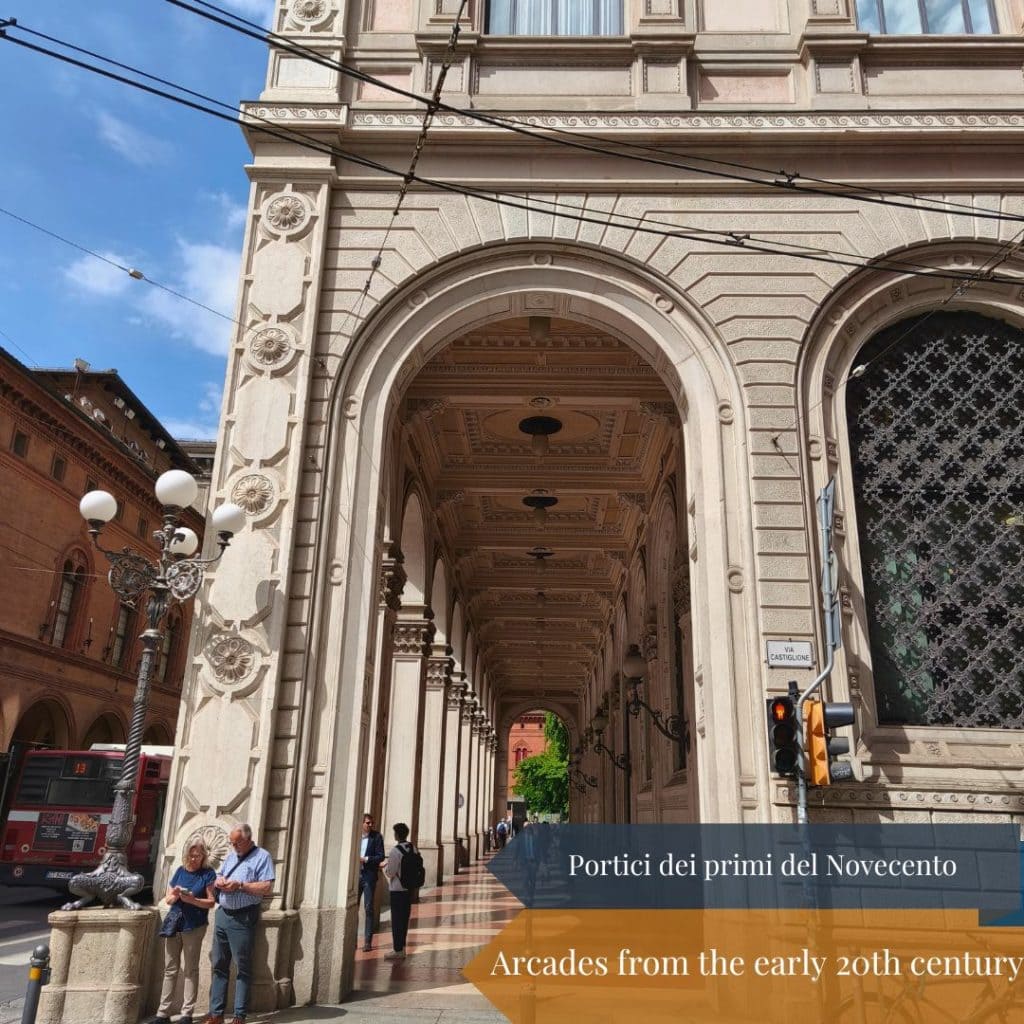
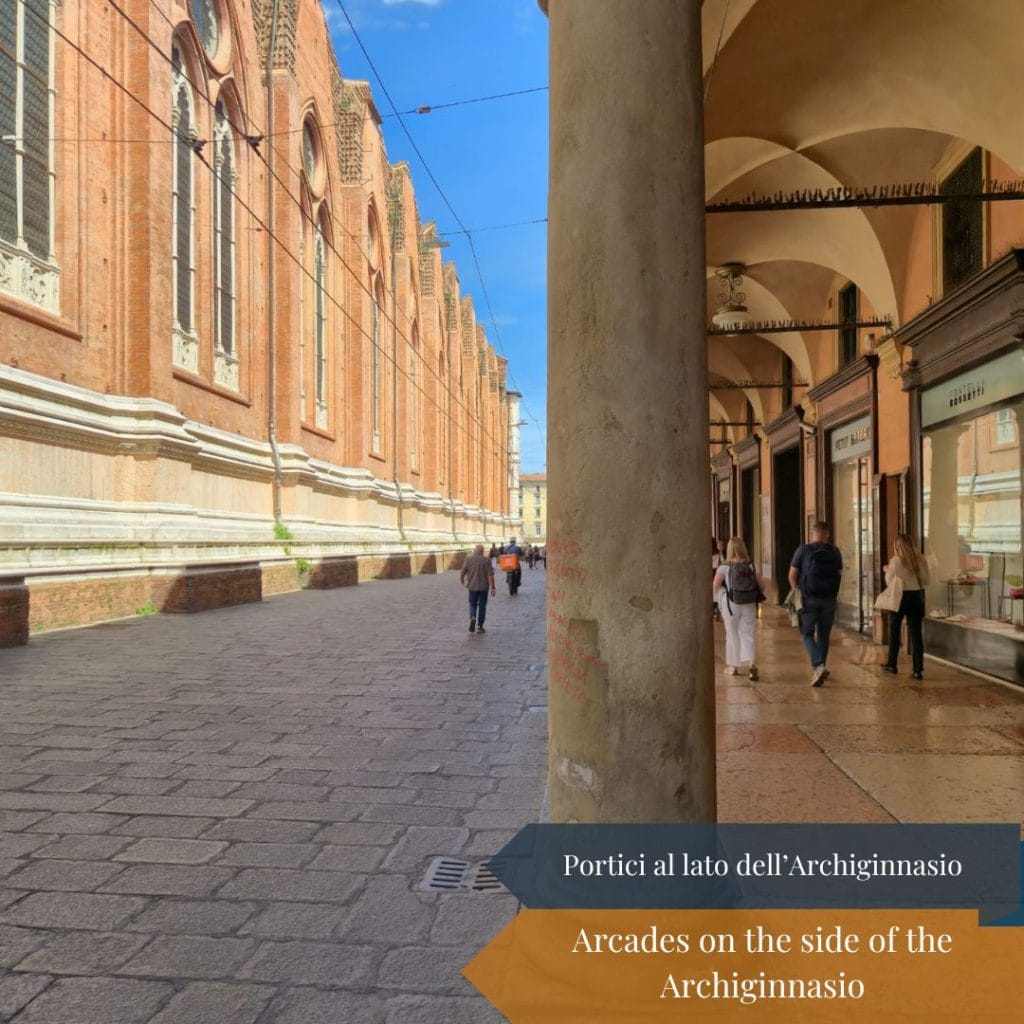
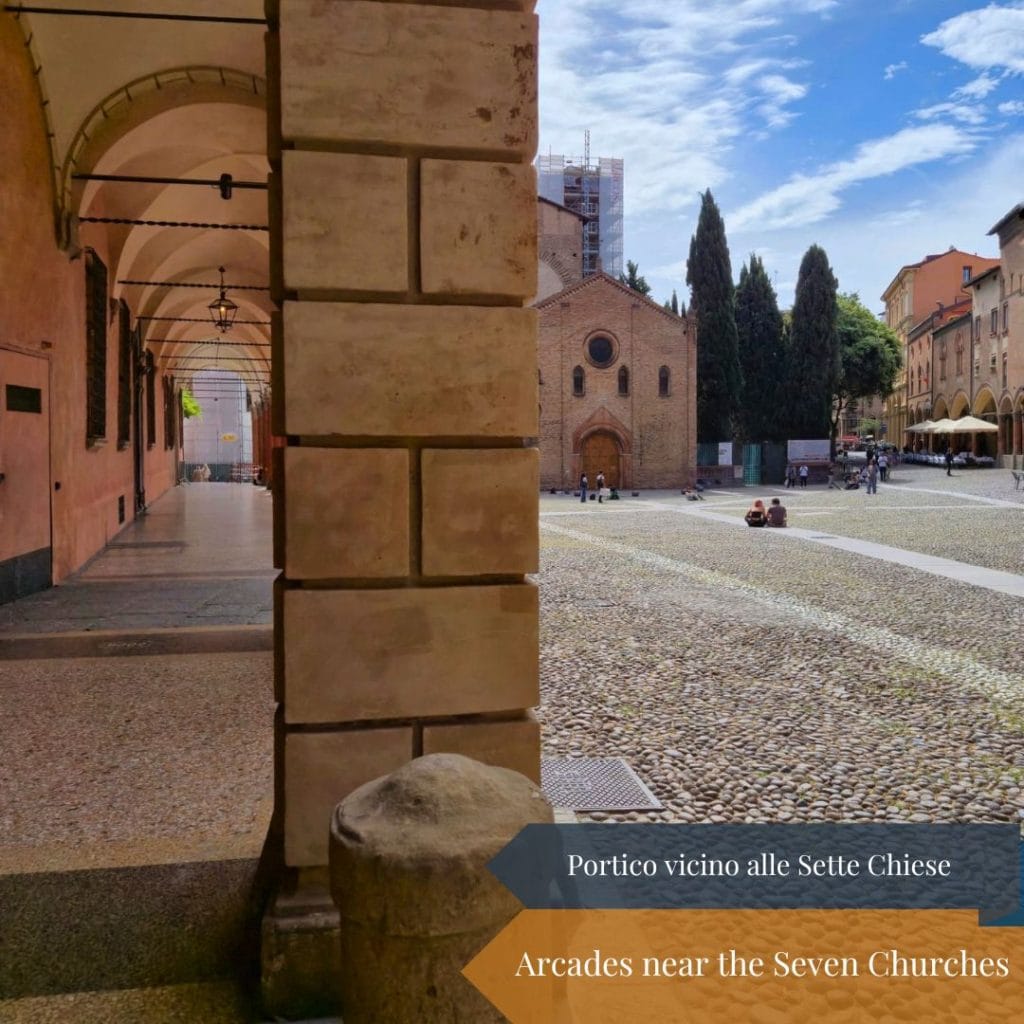
It all started spontaneously, when groups of students began to pay masters of grammar and rhetoric to read and explain ancient Roman laws. This cultural revolution transformed the city into the intellectual center of Europe. For centuries, thousands of students from every nation crowded its streets, bringing wealth and new ideas. It was precisely to accommodate this mass of out-of-towners that the famous Porticoes were born: citizens extended the upper floors of their houses toward the street, supporting them with columns, to create new rooms without occupying public land. Even today, walking through the Archiginnasio, you can breathe that atmosphere of centuries-old knowledge amidst thousands of heraldic coats of arms of the students who passed through here.
🔴 Why is it called “the red one”?
This nickname has a double soul: one aesthetic and one political.
Traditionally, Bologna is red because of the color of its roofs, cornices, and the terracotta used for its medieval buildings. At sunset, the city seems to light up with a warm, sanguine glow that sets it sharply apart from the gray of northern cities or the white of southern ones.
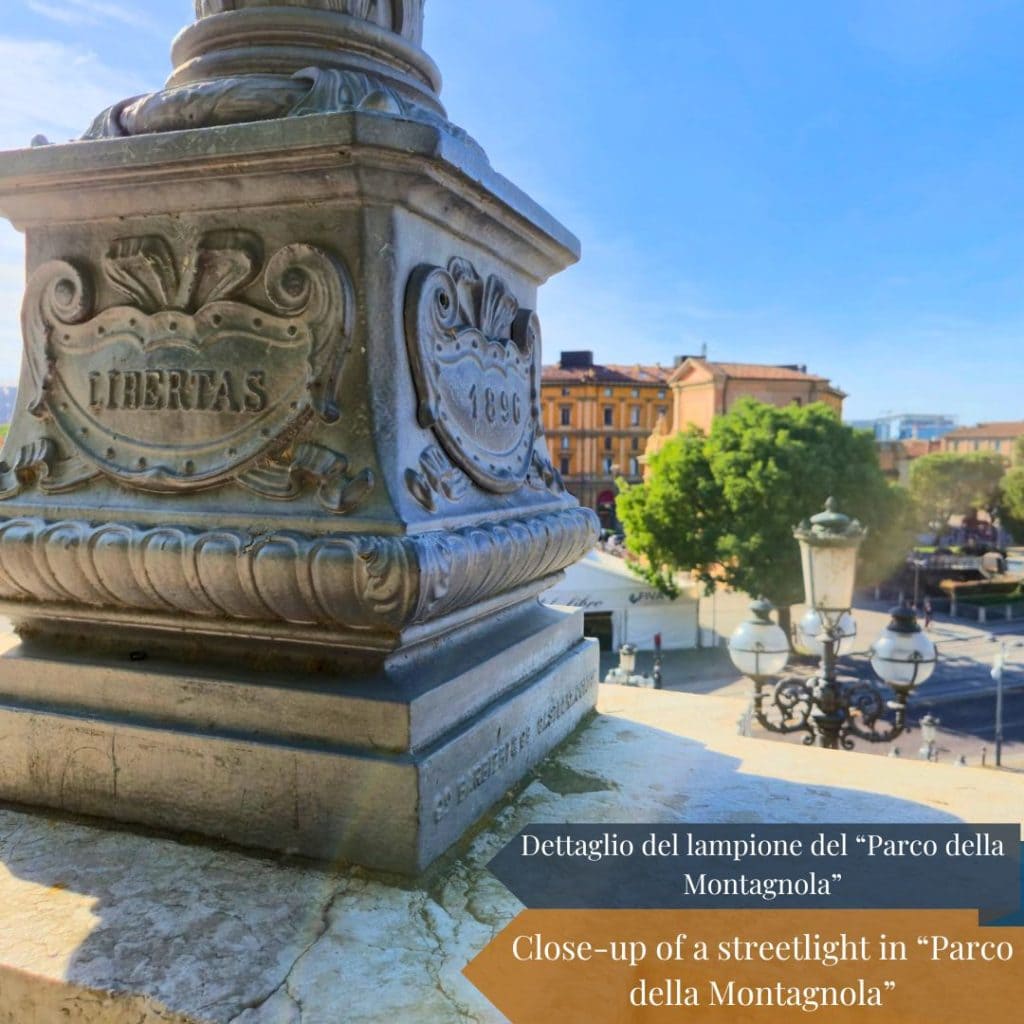
Bologna has a visceral relationship with freedom, summarized in its motto “Libertas.” The city has never taken well to masters—whether they were popes, local lords, or emperors—and Bolognese chronicles are full of episodes where the people literally “showed the door” (often by force) to anyone who attempted to become a dictator.
Here are the most iconic and “colorful” moments of this resistance:
1. The “Battle of the shit” (1334) and the expulsion of the “Papal legate”
This is the episode mentioned earlier, one of the most humiliating for the central power. The Papal Legate Bertrando del Poggetto had built a colossal fortress at Porta Galliera to rule over the city like an absolute sovereign. The Bolognese, tired of his tyranny and taxes, besieged the castle.
Rather than with swords, the citizens “defeated” him with contempt. The chronicles narrate that the Bolognese threw every kind of filth and organic waste against the fortress (hence the eschatological name). Bertrando was forced to flee toward Florence under a hail of insults, while the people razed his fortress to the ground, piece by piece.
2. The end of the Bentivoglio (1506 – 1512)
The Bentivoglio family dominated Bologna throughout the 15th century as de facto “lords,” but often acted as true dictators. Their power frequently clashed with papal claims. Fed up with this family’s antics, in 1506, Pope Julius II (the “Warrior Pope”) arrived at the gates of Bologna with an army to retake control of the city. The Bolognese, who could no longer tolerate the family, opened the gates to the Pope and drove out Giovanni II Bentivoglio.
Not satisfied with just the expulsion, the people completely destroyed the Bentivoglio Palace (at the time one of the most beautiful in Italy), located where Via del Guasto stands today (the name is no coincidence: it indicates the debris of the palace). When the Bentivoglio tried to return in 1511, they were permanently driven out after just one year.
3. The revolt against the Napoleonics (1799)
When Napoleon’s troops arrived in Bologna, they were initially seen as liberators. However, the looting of artwork and heavy taxation soon turned enthusiasm into hatred.
In 1799, taking advantage of the Austro-Russian advance, the Bolognese revolted. It was not just a military battle, but a popular uprising that forced the French garrison to surrender. Although the French returned after the Battle of Marengo, the spirit of the Bolognese resistance had already drawn the line: Bologna would not be a passive province of the Empire.
4. August 8, 1848: the expulsion of the Austrians
This is perhaps the moment of greatest civic pride, still celebrated today by the name of the main square (Piazza VIII Agosto).
The Austrians, led by General Welden, occupied the city with the intent of restoring absolute power. The Bolognese people, armed only with pitchforks, stones, and old rifles, poured into the Montagnola Park. In a furious battle, the Bolognese defeated the imperial army (considered the strongest in Europe) and forced them into a humiliating retreat toward the Po River. It was a “bottom-up” victory, achieved without the help of a regular army.
5. The liberation from the Nazi-Fascists (1944-1945)
The last great “collective dictator” to be expelled was the Nazi-Fascist occupier. The Battle of Porta Lame (1944): A unique episode in which partisans fought a pitched battle in the very heart of the city center against German tanks, defeating them.
April 21, 1945: Bologna was liberated by partisan combat groups and allied troops (Polish forces and Bersaglieri). Here too, the city was the first to rise up before the final arrival of the Allies, confirming itself as the “unruly” city par excellence.
🍝 Why is it called “the fat one”?
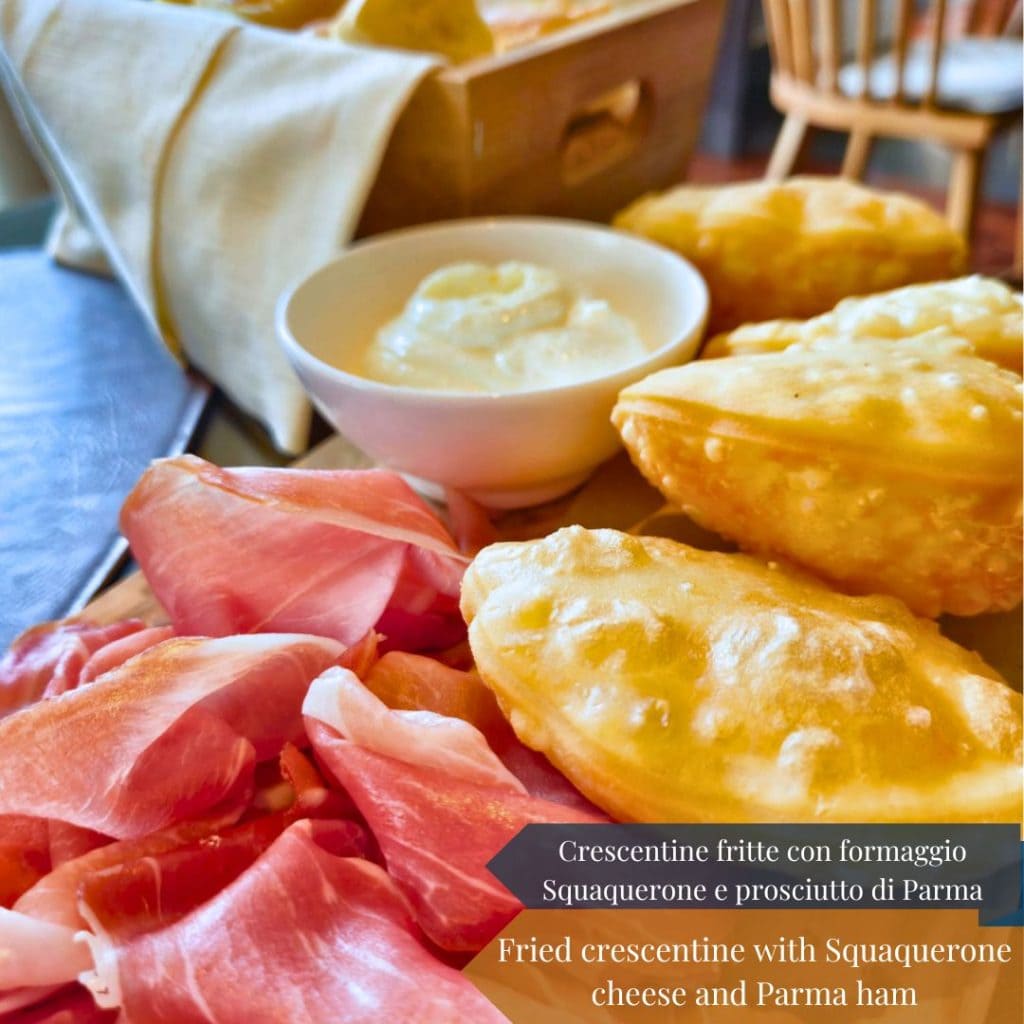
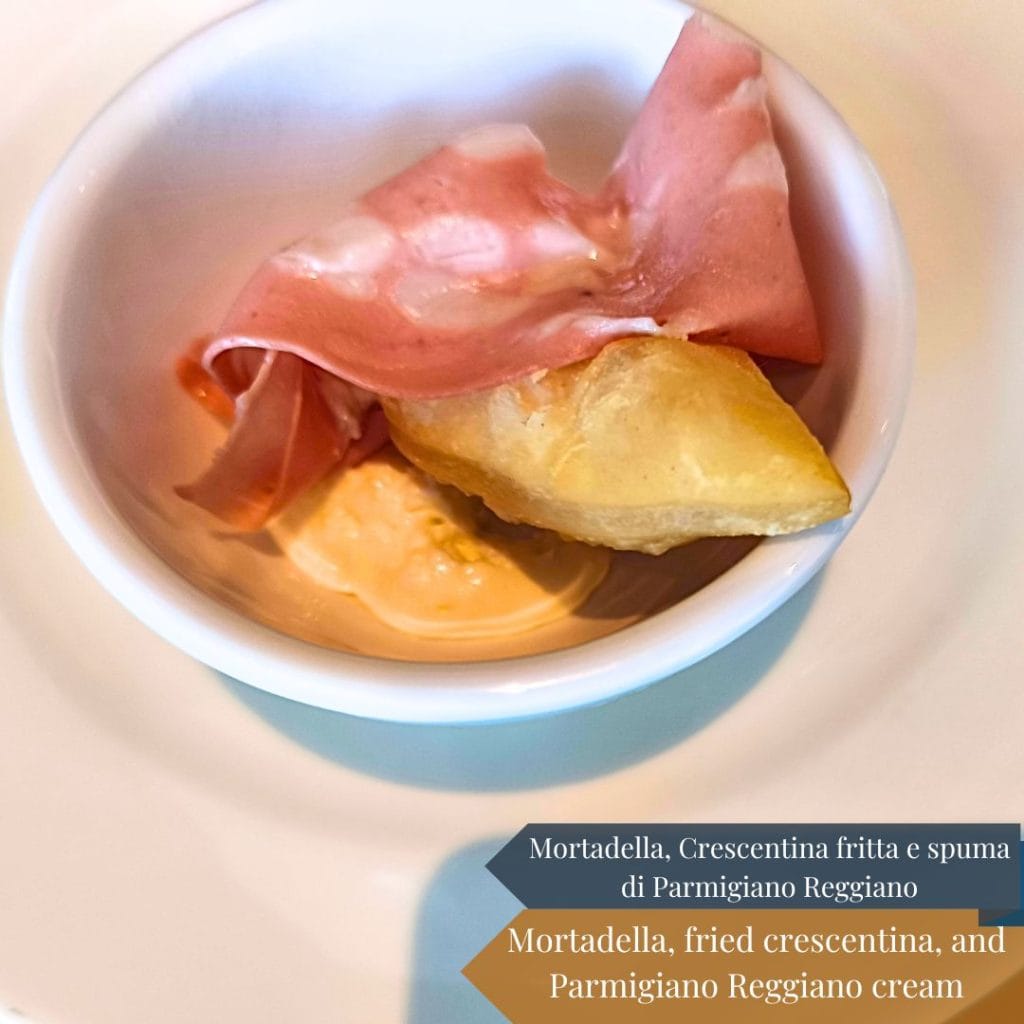
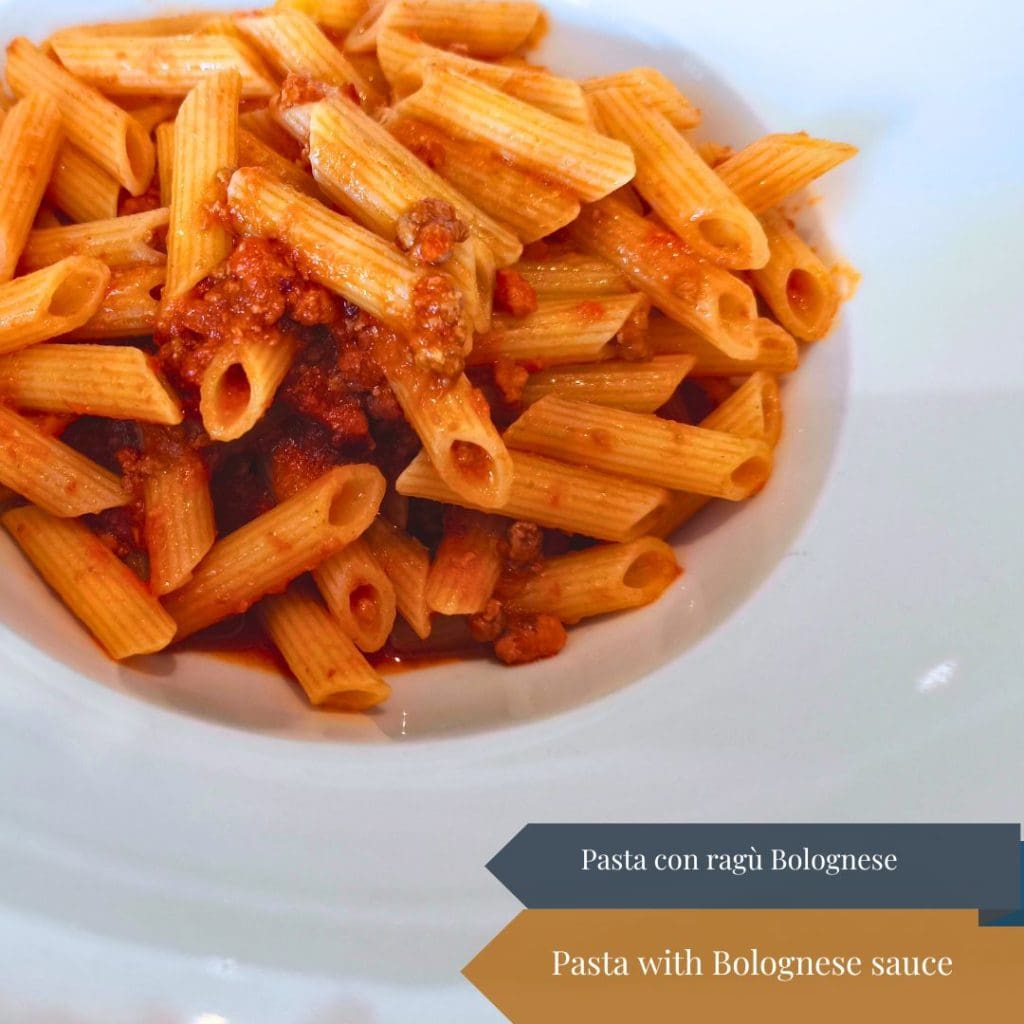
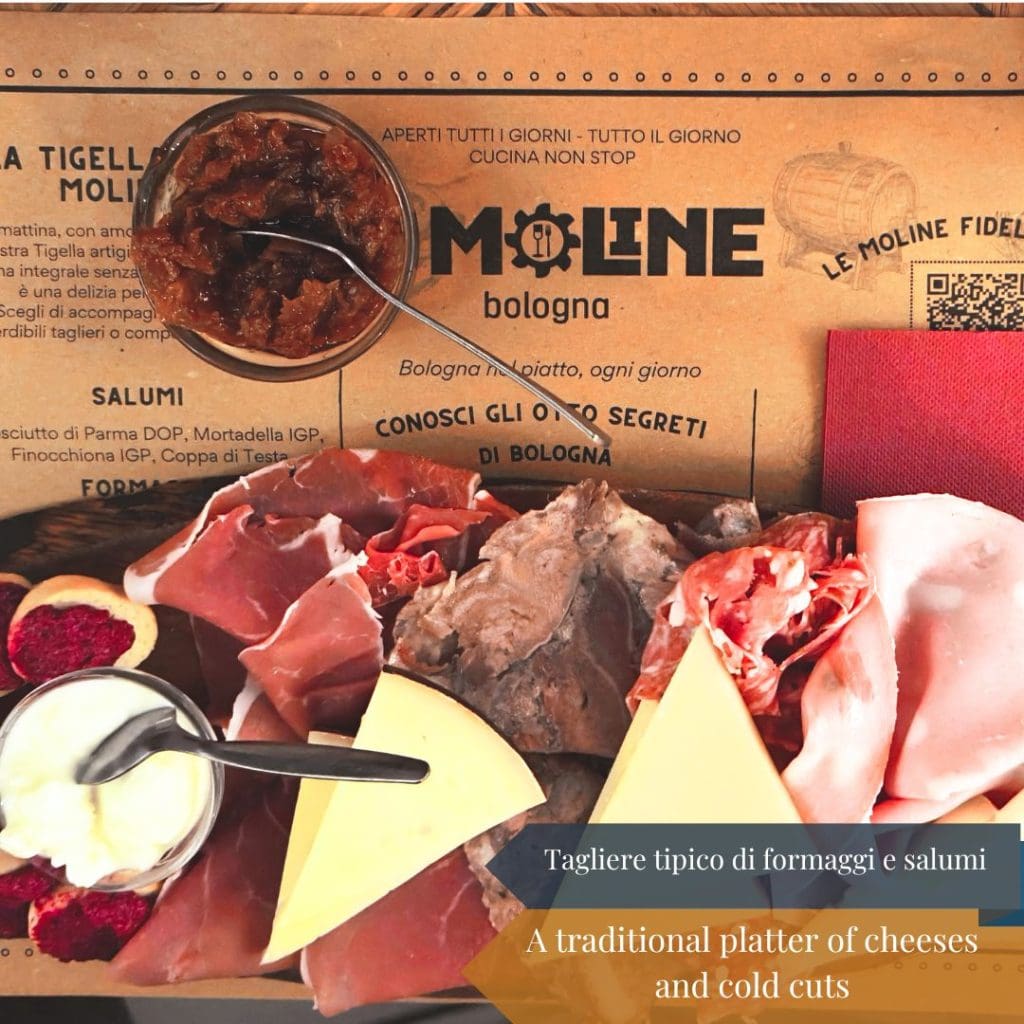
Bologna earned this title as far back as the Middle Ages. While the rest of Europe struggled with famines and subsistence diets, Bolognese markets overflowed with meats, cheeses, and fresh pasta. The city’s wealth, brought in by students and merchants from all over the world, created a gastronomic culture that does not know the word “frugal.”
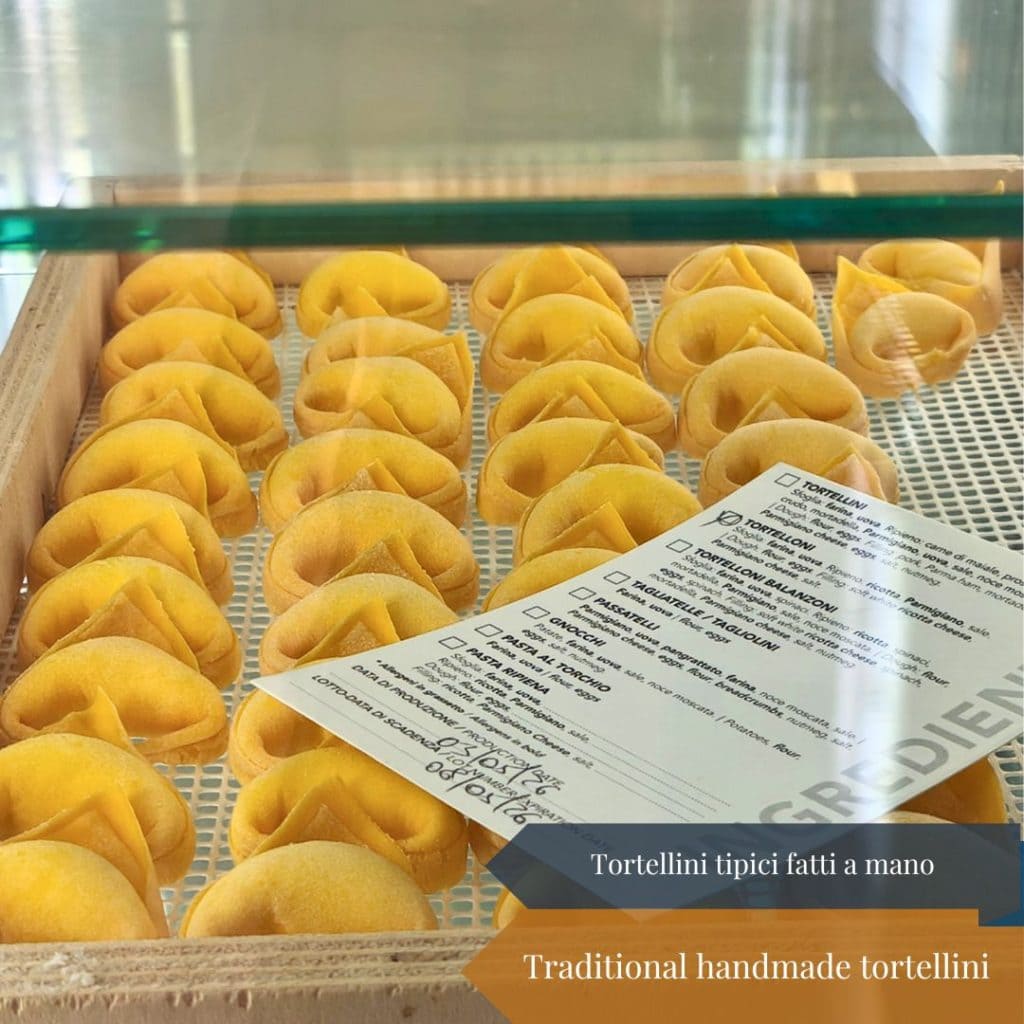
In fact, Bolognese cuisine is built on rich raw ingredients: pork (transformed into the queen of all cured meats, Mortadella, which in the rest of Italy is simply called “Bologna”), Parmigiano Reggiano, butter, and eggs. Here, pasta is not made with water, but with “la sfoglia” (the dough) rolled out by hand by the legendary Sfogline, where every single egg requires exactly 100 grams of flour.
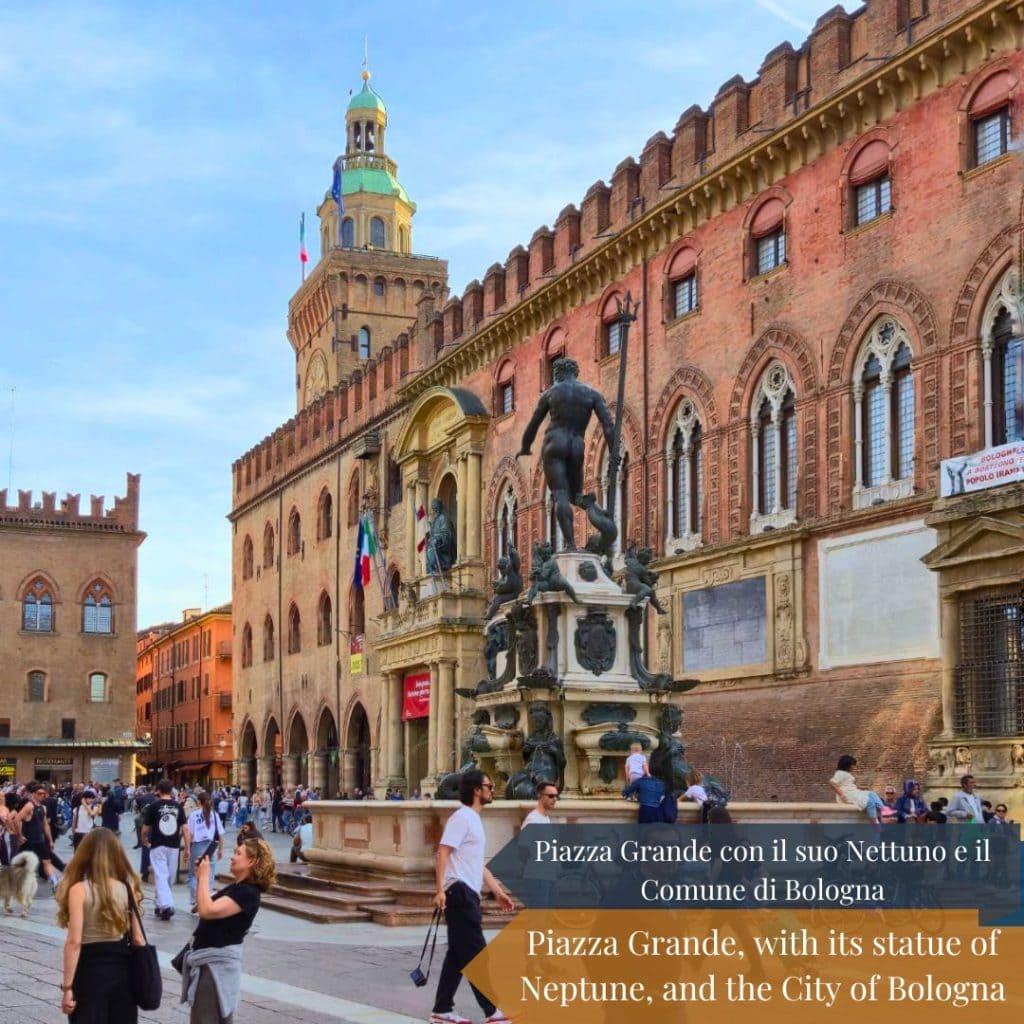
This ancient medieval market, located right next to Piazza Maggiore, is the beating heart of the “Fat” city. Between Via Pescherie Vecchie and Via Drapperie, historic stalls display pyramids of tortellini, giant wheels of cheese, and cascades of cold cuts that fill the air with irresistible aromas.
For Bologna, being “fat” also has a positive connotation, meaning to be generous. An invitation to the table is the social ritual par excellence: whether it is a plate of Tagliatelle al Ragù (the real ones, exactly 8 millimeters wide) or tiny Tortellini in brodo (in broth), the portion is never meager, and second helpings are almost a moral obligation.
Come to Florence, explore the city, and take a quick trip to Bologna to see the differences. It will be a lot of fun!